


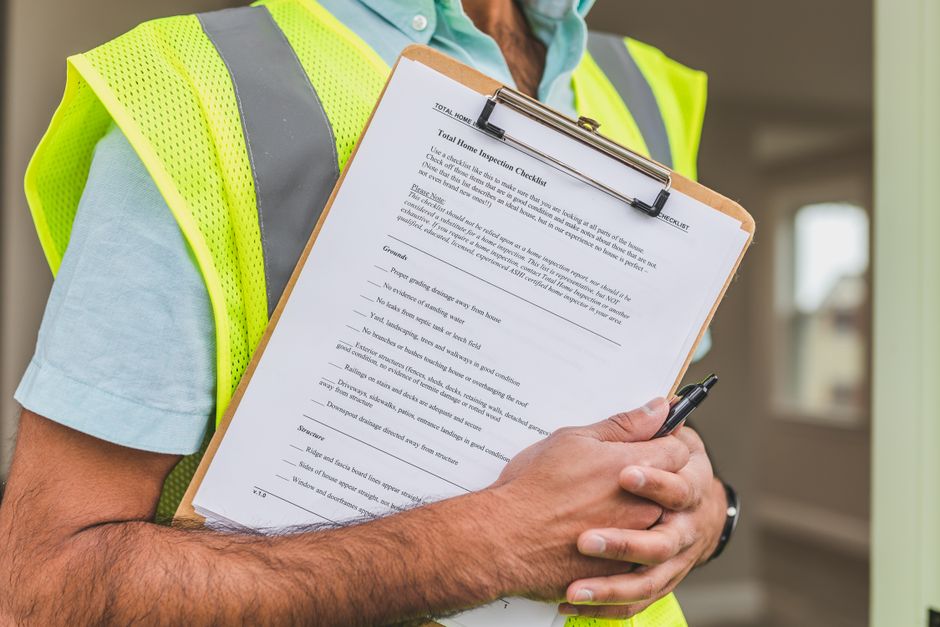
Safety equipment inspections are central to safe industrial operations. They protect workers, preserve the value of expensive machinery, and keep projects aligned with regulatory expectations. For companies in heavy-lift rigging, construction, offshore energy, and manufacturing, a disciplined inspection routine is not a formality. It is the foundation of operational safety.
An equipment inspection will typically include a comprehensive assessment of the condition, functionality, and safety of the machinery, tools, and facilities on site. The goal is to confirm that everything works as intended before it is put to work, and to catch small problems before they become serious failures. As 2026 approaches, regulators and clients expect more rigorous safety management. Inspection programs that were once considered thorough are now the baseline, and organizations that build inspection discipline into their daily operations position themselves as reliable partners on complex projects.
What Counts as Safety Equipment?
Safety equipment covers a wide range of gear. It includes personal protective equipment such as harnesses, lanyards, hard hats, and eye protection. It also includes the safety systems built into heavy machinery, such as guards, alarms, brakes, and emergency stops. In a heavy-lift context, the definition extends to slings, shackles, chain jacks, winches, and other load-bearing tools that must handle extreme forces without failure.
Regardless of the equipment type, the inspection objective stays the same: identify anything that could fail, confirm that safety features are intact, and remove compromised equipment from service. A clear understanding of what counts as safety equipment helps organizations build a complete inspection program rather than one that only covers obvious items.
Why Inspections Matter for Compliance
Per OSHA regulations, it is mandatory for every piece of heavy construction equipment to undergo inspection before use. If any safety features are compromised, the equipment should not be used. This places a clear duty on employers to conduct routine inspections and make repairs so workers are never exposed to preventable risk.
Compliance also produces a paper trail. Documented inspections show regulators, clients, and workers that safety is managed deliberately. Records of inspections, repairs, and removals from service give an organization the evidence it needs during audits and help identify patterns of wear before they lead to incidents. A program that exists only in memory is not a program at all; it must be written down, followed, and verified.
OSHA Standards and Inspection Requirements
OSHA standard 1926.1412 governs inspections for cranes and derricks in construction. Under this standard, the inspection must include functional testing to determine that the equipment, as configured, works correctly. Visual checks alone are not enough. A crane may look sound while its load-limiting systems or brakes are out of adjustment, so functional testing is essential.
The same principle applies beyond cranes. OSHA regulations across construction and general industry require employers to inspect and maintain safety equipment so it performs when needed. Organizations should review the specific OSHA standards that apply to their equipment types and build their inspection schedules around those requirements. When in doubt, the relevant OSHA standard for the equipment in question is the authoritative reference.
What to Check During a Safety Equipment Inspection
A thorough inspection combines visual checks, hands-on examination, and functional testing. The exact checklist varies by equipment type, but the underlying pattern is consistent: look for damage, verify that components work, and act on anything that raises concern.
Fall Protection Equipment
Fall protection equipment demands close attention because lives depend on it. When inspecting a harness and lanyard, check the webbing, cable, and other components carefully. Look for deformity, damage, discoloration, labels, markings, and signs of wear that could weaken the material. A harness that appears fine at a glance can have hidden damage that only a detailed check reveals.
Before each use, users should inspect the webbing for cuts, burns, abrasions, or chemical damage. Stitching should be checked for loose or damaged threads. Buckles should be examined to confirm they latch and release properly. If any component shows damage, the equipment should be removed from service immediately.
Heavy Construction Equipment
Heavy construction equipment must be inspected before every use. The inspection should confirm that all safety features are operational, that there are no visible structural concerns, and that the equipment is properly configured for the job. Per OSHA regulations, any piece of equipment with compromised safety features must not be used until repairs are made.
Lifting and Rigging Equipment
For lifting and rigging work, inspections verify that every load-bearing component is free from defects that could cause failure under load. Check for deformation, cracks, corrosion, and wear on slings, hooks, and other hardware. Functional testing is particularly important here because lifting equipment must operate smoothly and predictably while supporting heavy loads. In heavy-lift applications, the margin for error is small, so a rigorous inspection routine is essential.
Inspection Frequency: Before-Use Checks and Formal Inspections
Inspection frequency depends on the equipment type, how often it is used, and the conditions it faces. Some checks are performed before each use, while formal inspections happen on a scheduled basis. Organizations should identify their safety equipment and define the process and frequency for these inspections so that every item receives the right level of attention at the right time.
A before-use check is the first line of defense. It is quick, performed by the equipment user, and catches obvious damage such as cuts, fraying, or broken parts. A formal inspection is deeper. It is performed by a trained inspector who evaluates the equipment in detail and documents the results. Both levels are necessary for a complete inspection program.
| Inspection Level | When It Occurs | Who Performs It |
|---|---|---|
| Before-use check | Prior to each use | Equipment user |
| Formal inspection | Scheduled intervals defined by the organization | Trained equipment inspector |
Training Inspectors for Formal Evaluations
Formal inspections require more than a checklist. They require judgment and training. The Fall Protection Equipment Inspector course, known as EI1004, is designed for workers who perform formal inspections of fall protection equipment. It goes beyond basic checks and focuses on detailed evaluations of harnesses, lanyards, and related gear.
Workers who complete this type of training gain the skills to evaluate fall protection gear, ensure OSHA and ANSI compliance, and reduce risk. Investing in inspector training strengthens the whole safety program because it puts experienced eyes on equipment before it is used. Trained inspectors know what to look for, how to document their findings, and when equipment should be retired rather than repaired.
Testing and Maintenance Complete the Picture
Providing PPE is not enough. Safety equipment testing, maintenance, and training are important components of workplace safety management. Inspections identify problems, but testing confirms that equipment functions correctly, and maintenance keeps it in working order so it is ready when needed.
Functional testing is a clear example. For cranes and derricks, OSHA 1926.1412 requires functional testing to determine that the equipment as configured works. A damaged component can pass a visual check and still fail a functional test when it is operated, which is why both steps belong in every inspection program.
Building a 2026-Ready Inspection Program
A strong inspection program starts with a simple inventory. Identify the safety equipment used across the site, from personal protective gear to the safety systems on heavy machinery. From there, define the process and frequency for inspections so that every item is covered on a predictable schedule.
Next, assign responsibility. Users perform before-use checks, and trained inspectors handle formal evaluations. Document every inspection, repair, and removal from service. Finally, review the program regularly. Equipment changes, standards evolve, and lessons from the field should shape the next round of inspections. A program that is reviewed and updated is one that keeps pace with the demands of 2026.
Frequently Asked Questions
What does OSHA require for equipment inspections?
OSHA requires that every piece of heavy construction equipment undergo inspection before use. For cranes and derricks in construction, standard 1926.1412 establishes the inspection requirements, including functional testing to determine that the equipment as configured works correctly. Employers must conduct routine inspections and make repairs whenever safety features are compromised.
How often should safety equipment be inspected?
Inspection frequency depends on the equipment type and how it is used. Fall protection equipment such as harnesses and lanyards should be inspected before each use for cuts, burns, abrasions, and damaged stitching. Organizations should also define a process and frequency for formal inspections, which are performed by trained inspectors at scheduled intervals.
What should I look for when inspecting fall protection equipment?
Inspect the webbing, cable, and other components for deformity, damage, discoloration, labels, markings, and signs of wear. Check webbing for cuts, burns, abrasions, or chemical damage. Examine stitching for loose or damaged threads, and test buckles to make sure they latch and release properly. Any sign of damage means the equipment should be removed from service.
Who is responsible for equipment inspections?
Employers are responsible for conducting routine equipment inspections and making repairs to ensure worker safety. Workers perform before-use checks on the equipment they rely on each day. Formal inspections should be assigned to trained personnel, such as workers who complete an equipment inspector course, so that detailed evaluations are handled by someone with the right expertise.