


Moving massive loads safely and efficiently is a daily challenge across industries such as offshore energy, aerospace, construction, and manufacturing. Reliable industrial lifting solutions reduce risk, improve productivity, and help companies meet regulatory standards. This article examines the main categories of heavy-duty lifting equipment, the importance of proper inspections and aftermarket support, and what to consider when selecting a provider for a specific application.
Understanding Industrial Lifting Solutions
Industrial lifting solutions encompass a broad range of equipment and services designed to handle materials and components that exceed normal manual capacity. The term covers both standard off-the-shelf products and custom-engineered systems. Providers often combine hardware with engineering support, project management, and ongoing maintenance to deliver turnkey results. Heavy-duty applications require equipment that can withstand harsh environments and repeated high-stress cycles, making material selection, design margins, and testing critical.
Main Equipment Categories
Overhead cranes and hoists form the backbone of many factory and warehouse operations. These systems travel on runways and lift loads using wire rope or chain hoists. Brands such as Kone, Donati, Demag, Stahl, Abus, Yale, Morris, Atlas Copco, Verlinde, and SWF are commonly serviced by independent suppliers. Lifting capacities can range from a few tons to several hundred tons for special applications.
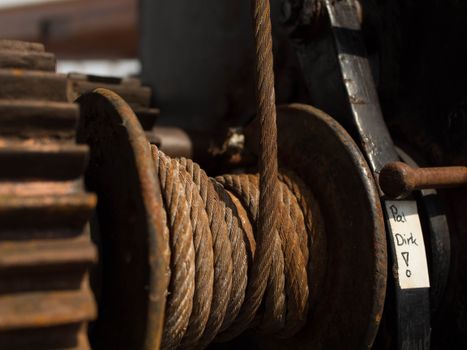
Vehicle-mounted lifting equipment brings mobility to lifting tasks. These systems are designed for quick self-loading and unloading, reducing the risk of injury and damage to goods. Winch systems from the same company provide safe access to suspended objects and are used in commercial, industrial, retail, leisure, and domestic settings.
Custom engineered systems address unique lifting challenges. Such bespoke solutions often involve close collaboration between engineers and end users to ensure structural integrity and load path safety.
Safety, Compliance, and Inspections
Heavy-duty lifting carries inherent risks. Poorly maintained equipment or improper procedures can lead to dropped loads, structural failure, or worker injuries. In the United States, the Occupational Safety and Health Administration (OSHA) mandates periodic inspections of overhead cranes and hoists. Having a qualified third-party perform these inspections helps companies stay compliant and avoid costly downtime.
In the United Kingdom, regulations such as LOLER (Lifting Operations and Lifting Equipment Regulations) govern similar requirements. According to UK data for 2021/2022, improper manual handling contributed to over 139,000 new cases of work-related musculoskeletal disorders, resulting in 7.3 million working days lost. Vehicle-mounted lifting equipment and winch systems are specifically designed to reduce the need for manual handling and to eliminate many of the risks associated with working at height.
Choosing a Provider for Heavy-Duty Lifting
Selecting an industrial lifting solutions provider involves evaluating several factors. Geographic coverage is one: a national network of service locations can reduce response times. A provider with an international presence may be better suited for projects that span multiple sites.
Experience and engineering capability are also important. A long track record often indicates process maturity and deep domain knowledge. For complex lifts, look for providers that offer in-house engineering, custom design, and project management services.
Aftermarket support and parts availability directly affect equipment uptime. When a crane or hoist needs repairs, having the original manufacturer or an authorized service provider ensures the correct components are used and warranties remain valid.
Applications Across Industries
Industrial lifting solutions are used wherever heavy materials must be moved, positioned, or supported. In offshore oil and gas, chain jack systems and winch systems handle subsea equipment and platform components. In aerospace, precision hoists lift engines and fuselage sections during assembly. In construction, tower cranes and crawler cranes place steel beams, concrete panels, and machinery. Manufacturing plants rely on overhead cranes to move raw materials and finished goods through production lines. Infrastructure projects such as bridge building and tunnel construction require heavy-lift rigging that can operate in tight spaces and at height. Each application demands equipment that meets specific load ratings, environmental conditions, and cycle requirements.
The Role of Engineering and Planning
A lifting solution is only as effective as the planning behind it. Engineering input determines proper anchor points, load distribution, and equipment selection. Many providers offer turnkey lifting and pulling services that include rigging studies, structural analysis, and lift plans. This approach minimizes the chance of surprises on site and helps ensure that all safety factors are accounted for.
Frequently Asked Questions
What inspections are required for industrial lifting equipment?
In the United States, OSHA mandates periodic inspections of overhead cranes and hoists. The frequency and scope depend on equipment type, usage intensity, and operating environment. Always check the specific regulations that apply to your jurisdiction and industry.
How do I choose between a vehicle-mounted crane and a stationary overhead crane?
Consider the mobility needed. Vehicle-mounted cranes allow loading and unloading at multiple locations, reducing manual handling and the risk of injury. Stationary overhead cranes are best for repeated lifts within a fixed work cell.
What types of aftermarket services are available for lifting equipment?
Aftermarket services include replacement parts, repairs, load testing, and upgrades.Many independent service companies also handle multiple brands. Regular aftermarket maintenance extends equipment life and maintains safety ratings.
Can industrial lifting solutions be customized for unique loads?
Yes. Some companies design custom skids and subsea mudmats for specific load requirements. Custom engineered chain jack systems, spreader beams, and lifting frames are common in heavy industries. Working with a provider that offers in-house engineering ensures the solution meets your exact load path and safety criteria.
Why are proven load testing and center of gravity measurements important?
Certified weighing and center of gravity (CG) measurement ensure that a load is balanced and within the equipment’s capacity. Errors in CG can cause tipping or uncontrolled movement during a lift. Versabar provides certified weighing and CG measurement as part of its heavy-lift rigging services. Independent verification of these parameters is a best practice for any critical lift.
Selecting and maintaining the right industrial lifting solutions is a strategic decision that affects safety, productivity, and regulatory compliance. By understanding the equipment types available, the importance of inspections and aftermarket support, and the value of engineering expertise, businesses can make informed choices that support their heavy-duty applications.