


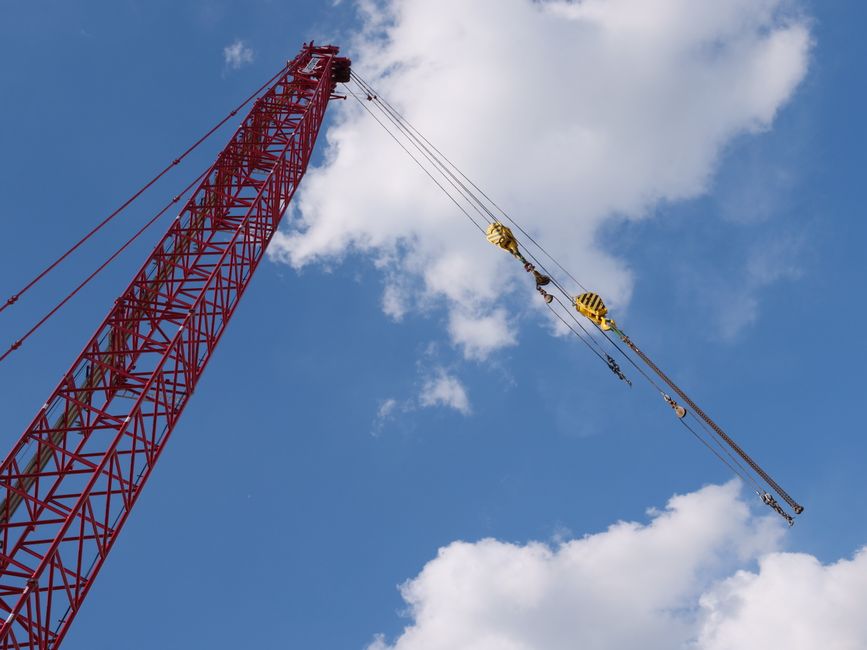
Industrial projects frequently require lifting loads that exceed the capacity of everyday equipment. When a job calls for heavy-lift rigging, most teams do not need to buy the gear outright. Rental rigging equipment offers an efficient path forward: certified tools, available on an as-needed basis, supported by providers who handle inspection and maintenance. This guide explains what rental rigging equipment includes, why industrial teams choose it, and how to select a provider for your next project.
What Is Rental Rigging Equipment?
Rental rigging equipment covers the tools and systems used to lift, pull, position, and secure heavy loads during a defined project window. It includes both simple components and engineered heavy-lift systems. Industrial teams rent this gear because the need is often temporary. A single project may require specialized capacity or configurations that do not justify a permanent purchase.
Rental providers maintain large inventories and deliver equipment to job sites as needed. Some report more than 80,000 pieces of lifting and rigging equipment stored across 24 rigging warehouses in North America. That kind of scale gives project teams fast access to the right gear wherever work is happening.
Common Types of Heavy-Lift Equipment Available for Rent
The most commonly rented heavy-lift equipment includes chain jack systems, winch systems, hydraulic gantries, strand jacks, and spreader beams. These systems form the backbone of large-scale lifting work in industrial settings.
Chain jack systems are a staple of heavy-lift rigging rental. They are used when loads must be raised or lowered with precision. Winch systems support pulling and tensioning operations. Hydraulic gantries offer a portable framework for lifting and moving loads in the field. Strand jacks provide another heavy-lift option for projects with demanding capacity and control requirements. Spreader beams and spreader bars help distribute the weight of a load across multiple lift points, which reduces stress on slings and attachments.
Beyond those headline systems, rental inventories include slings, shackles, hoists, and load cells. Offshore-rated fleets add air tuggers, jet pumps, pipe slings, rigging accessories, and air compressors. Specialized providers also stock man baskets, skip pans, and rigging storage racks. The exact mix depends on the provider and the markets they serve.

Why Rent Instead of Buy?
Purchasing rigging equipment means accepting the full cost of ownership. Storage takes space, inspections must stay current, and gear that sits idle between projects still requires maintenance. Rental removes those burdens. Equipment is available on an as-needed basis, so project teams pay for capability when they need it rather than carrying it year-round.
Certification is another reason teams rent. Providers describe their offerings as safe and certified rigging solutions. Many also bundle inspection into the rental process. Some offer containers packed with slings, shackles, and hoists, plus hassle-free inspections. When the equipment arrives on site, it arrives with confidence that it has been checked.
The Role of Engineering and Turnkey Services
Some lifts are straightforward. Others require serious planning. Engineering services can make the difference between a lift that is completed on schedule and one that is delayed by rework. Providers with in-house engineering teams can help with load calculations, equipment selection, and lift sequencing. Versabar, for example, provides engineering, project management, and turnkey lifting, pulling, and material handling solutions. Its patented innovations reflect decades of experience in heavy-lift work.
Certified weighing and center of gravity measurement are part of this picture. Knowing exactly where a load’s weight sits is essential for selecting the right rigging and positioning equipment correctly. Proof load testing adds another layer of confidence by verifying that components can handle the forces they will experience. When a rental provider offers these services, the project team gains a single accountable partner for the lift.
What to Look for in a Rental Provider
Not all rigging rental providers are the same. The following factors separate a dependable partner from a risky one.
-
Certified equipment. Look for providers that emphasize safety, certification, and inspection. Certified gear reduces the chance of failure during a critical lift.
-
Fleet breadth and availability. A large fleet means more options for matching the right tool to the load. Providers with multiple warehouse locations can often respond faster.
-
Industry experience. Providers that serve heavy industrial sectors understand the conditions their customers work in. Versabar has positioned itself as a global leader in heavy-lift rigging since 1981, with patented innovations and a focus on engineered lifting solutions.
-
Calibration and testing services. Load cells and weighing equipment may require calibration. Some providers offer purchase, rental, and calibration on most products, while others provide certified weighing, center of gravity measurement, and proof load testing.
-
Engineering support. Complex lifts benefit from provider expertise in engineering and project management. Turnkey lifting and pulling services can reduce the coordination burden on the project team.
Industries That Rely on Rental Rigging Equipment
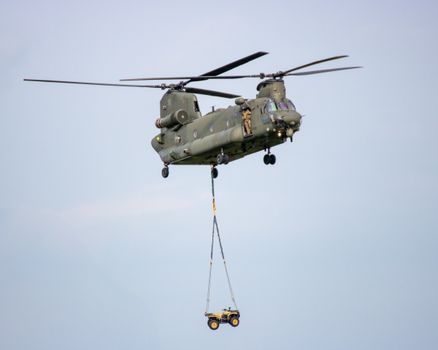
Rental rigging equipment appears across a wide range of sectors. Common industrial applications include offshore and marine work, aerospace, oil and gas, construction, manufacturing, infrastructure, and logistics. Each sector brings its own lifting challenges.
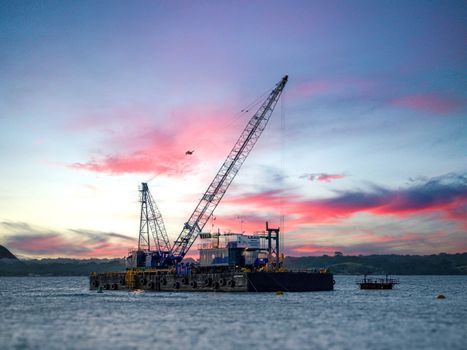
Offshore projects often require offshore-rated equipment that can hold up in marine environments. Rental fleets meet this need with air tuggers, jet pumps, hoists, pipe slings, rigging accessories, and air compressors. Onshore construction and infrastructure projects may lean on forklifts, booms, material lifts, and cherry pickers. In dense urban areas such as New York City, teams also rent equipment for glass handling and manipulators, which help position large panes with precision. A provider that knows the local market can often supply the right mix more quickly.
Safety, Certification, and Inspection Considerations
Safety is the measure that matters most in rigging work. A single failure can injure workers, damage expensive assets, and delay a project for weeks. Rental providers have addressed this risk by making inspection a standard part of the rental cycle. Many now offer rigging storage options alongside their equipment, and some have built long-standing reputations by providing purchase, rental, and calibration services on most products.
Regulatory and industry standards are part of the conversation as well. Teams of riggers, fabricators, and inspectors regularly publish guidance on topics such as whether lifting hooks need safety latches under OSHA and ASME. The specific requirements vary by equipment type, application, and jurisdiction, so it is always wise to confirm inspection status and standard compliance with your rental provider before use.
How to Plan a Rigging Equipment Rental
A successful rental starts before the equipment arrives on site. Work through these steps with your team and your provider.
-
Define the load. Record the weight, dimensions, and center of gravity of the load. This information drives every other decision.
-
Select the equipment. Match the lift plan to the right gear: chain jack systems, winch systems, hydraulic gantries, strand jacks, spreader beams, slings, shackles, hoists, and load cells all have distinct roles.
-
Verify certification. Ask for inspection records and calibration documentation. Confirm that the gear meets applicable standards for your project.
-
Coordinate logistics. Choose a provider with warehouse locations that can deliver efficiently. Fast access to the right gear keeps the project on schedule.
-
Engage engineering support for complex lifts. Providers like Versabar offer engineering, project management, and turnkey lifting and pulling solutions that can turn a difficult lift into a repeatable process.
Frequently Asked Questions
Do lifting hooks need safety latches according to OSHA and ASME?
Rigging providers address this topic directly in guidance written for riggers, fabricators, and inspectors. The answer depends on the hook type, the application, and the specific standard being applied. OSHA and ASME both have requirements that may apply. Because the details can vary, it is best to confirm the answer with a qualified inspector or your rental provider before the hook is used on a job.
Can I rent load cells and weighing equipment?
Yes. Load cells are a common item in rigging rental inventories, and some providers also offer certified weighing, center of gravity measurement, and proof load testing services. Calibration availability varies by provider, so confirm the calibration status and certification paperwork with the rental company before relying on the equipment for a critical lift.
What offshore-rated rigging equipment can be rented?
Offshore-rated rental fleets include air tuggers, jet pumps, hoists, pipe slings, rigging accessories, and air compressors. These items are intended for demanding marine and offshore conditions. If your project is in the offshore or marine sector, work with a provider whose fleet is rated for that environment and whose team understands the safety and operational requirements of offshore lifting work.
Which heavy-lift systems are most commonly rented?
The most commonly rented heavy-lift equipment includes chain jack systems, winch systems, hydraulic gantries, strand jacks, and spreader beams. Rental providers also stock slings, shackles, hoists, load cells, man baskets, and skip pans. The right system for your project depends on the load weight, the site layout, and the level of precision required for the lift.
Rental rigging equipment is a practical, proven solution for industrial projects of every size. By choosing certified gear from an experienced provider, defining the load carefully, and confirming inspections and calibration before the lift, your team can keep the project moving with confidence. Whether the job requires a simple sling or a full engineered heavy-lift system, the rental market has the equipment and the expertise to support it.