


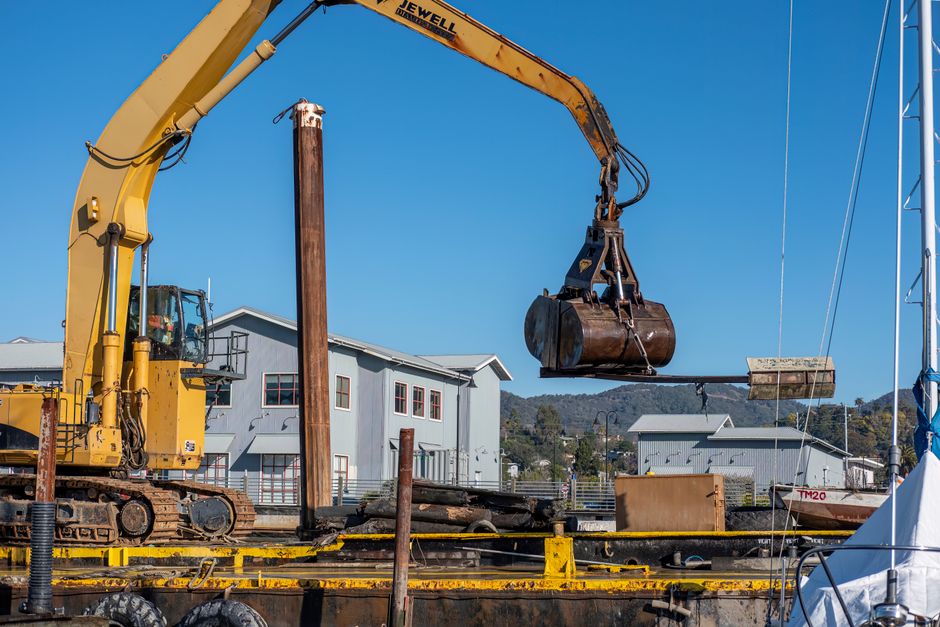

Heavy-lift projects demand precise planning, the right gear, and a rental partner who understands industrial rigging. Whether you are lifting a multi-ton component in a refinery or positioning a structure in a shipyard, renting specialized equipment can reduce capital expense and give you access to the latest technology. This article covers the essential factors to consider when arranging rigging equipment rental for heavy lifts, from equipment selection and safety certification to logistical coordination and project execution.
Planning Your Heavy Lift
Before you rent any equipment, you need a lift plan that accounts for load weight, center of gravity, rigging geometry, and site constraints. A thorough plan helps you select the correct pieces and avoids delays. Key steps include:
Determine the total load weight and dimensions, including any lifting attachments.
Identify the lifting points and required sling angles.
Assess ground conditions, overhead obstructions, and weather limits.
Evaluate the capacity and reach of available equipment.
Factor in safety margins and regulatory requirements.
Rental providers often offer engineering support to help you finalize the plan. Some suppliers can design and fabricate custom solutions if standard equipment does not meet your needs. Having a clear plan in place before ordering equipment streamlines the rental process and keeps your project on schedule.
Key Equipment Categories for Heavy Lifts
The type of equipment you rent depends on the load, the lift height, and the site layout. Several categories are commonly used in heavy-lift rigging rentals.
Chain Jack Systems
Chain jack systems are ideal for lifting and lowering extremely heavy loads in a controlled, synchronous manner. These hydraulic or electric systems use multiple jacks working together to distribute the load evenly. Versabar offers chain jack systems that provide precise load positioning and can be configured for lifts weighing hundreds of tons. Renting a chain jack system gives you access to high capacity without a permanent installation.
Winch Systems
Winch systems are used for pulling, skidding, or lifting loads horizontally or vertically. Heavy-duty winches with synthetic or steel wire rope can handle demanding pulls in confined spaces. Versabar’s winch systems include remote control operation and safety brakes. Rental winches are often paired with sheaves, fairleads, and control consoles to create a complete pulling package.
Hydraulic Gantries and Jacks
Hydraulic gantries provide a mobile, adjustable lifting solution for loads that need to be moved into position. They can be used in pairs or sets to share the load. Many rental providers offer gantry systems with capacities ranging from 50 tons to more than 500 tons. Hydraulic jacks, including strand jacks and cylinder jacks, are also available for short-stroke lifts or jacking operations.
Slings, Shackles, and Rigging Hardware
All heavy lifts require proper rigging hardware to connect the load to the lifting equipment. Common rental items include wire rope slings, synthetic web slings, shackles, hooks, turnbuckles, and spreader beams. These components must be rated for the load and inspected regularly. Rental companies typically maintain large inventories of certified gear, often with over 80,000 pieces of equipment across multiple warehouses.
Load Measuring and Monitoring Equipment
Accurate load measurement is critical during heavy lifts. Load cells, dynamometers, and center‑of‑gravity measurement devices allow you to verify actual load weight and distribution. Some rental providers offer certified weighing services as part of their rental package. Using calibrated load measuring equipment reduces the risk of overload and improves safety.
Safety and Certification
Safety is the primary concern in any heavy lift. When you rent rigging equipment, you need assurance that every piece meets industry standards. Reputable rental companies inspect, test, and certify their equipment to standards such as ASME and OSHA. The certification process includes visual inspection, load testing, and documentation.
Common Rigging Equipment Certifications | |
Standard | Scope |
|---|---|
ASME B30 | Safety standards for cranes, hoists, and rigging hardware |
OSHA 1910.184 | Regulations for slings used in general industry |
ASME BTH-1 | Design of below‑the‑hook lifting devices |
Ask your rental provider for current certification records for each component. Some suppliers offer a safety and performance guarantee with every rental, which can give you added confidence. Always verify that the equipment you receive matches the certifications on paper.
Selecting a Rental Partner
Your choice of rental company affects project cost, schedule, and safety. Consider these factors when evaluating rigging equipment rental providers.
Geographic Reach and Logistics
Providers with multiple rental centers can deliver equipment faster and reduce shipping costs. Many companies have warehouses strategically located across the country. Ask about delivery options, including drop‑off and pick‑up services. A provider with a strong logistics network can respond quickly if you need additional gear mid‑project.
Inventory Depth and Specialization
Some rental companies focus on general material handling, while others specialize in heavy lifting and specialized transport. If your project involves unusually large or heavy loads, look for a provider that stocks high‑capacity jacking systems, spreader beams, and multi‑point lifting beams. Companies that offer custom design and fabrication can handle unique requirements that standard inventories cannot meet.
Technical Support and Engineering
Heavy lifts often require engineered lift plans, rigging sketches, and load calculations. Many rental providers employ engineers who can assist with lift design. This support is especially valuable when you are renting complex systems like chain jack arrays or multi‑winch pulling setups. Some rental agreements include on‑site supervision or operation services.
Rental Terms and Guarantees
Rental periods can range from single‑day use to long‑term projects. Clarify the minimum rental period, overtime charges, and return conditions. Ask whether the provider offers a guarantee on equipment performance. A safety and performance guarantee indicates that the supplier stands behind their gear and will replace or repair items that fail during use.
Project Execution with Rental Equipment
Once your equipment arrives, follow a structured process to ensure a safe and efficient lift. Begin by inspecting all components against the packing list and certification documents. Confirm that slings, shackles, and hardware are within their rated capacities and have valid inspection tags. Set up your chain jack system or winch system according to the engineered lift plan, and test all functions without a load.
During the lift, monitor load cells and watch for shifts in load distribution. Use communication protocols between the lift director, crane operator, and rigging crew. Keep the area clear of non‑essential personnel. After the lift, inspect the equipment for wear or damage before returning it. Report any issues immediately so the rental provider can address them in their maintenance cycle.
Rigging equipment rental for heavy lifts allows you to complete complex projects without tying up capital in seldom‑used gear. By planning carefully, verifying safety certifications, and selecting a rental partner with the right inventory and support, you can execute lifts that are both safe and cost‑effective.
Frequently Asked Questions
What types of heavy‑lift equipment are most commonly rented?
The most commonly rented heavy‑lift equipment includes chain jack systems, winch systems, hydraulic gantries, strand jacks, spreader beams, slings, shackles, and load cells. The right choice depends on load weight, lift height, and site geometry. Many rental providers also offer custom solutions for unique applications.
How do I verify that rented rigging equipment is safe to use?
Ask the rental company for current certification records showing compliance with ASME and OSHA standards. Inspect each component for visible damage, wear, and valid inspection tags. If you have doubts, request proof of load testing. Reputable providers maintain thorough documentation and often offer a safety and performance guarantee with every rental.
Can I get engineering support when renting heavy‑lift equipment?
Yes, many rental companies employ engineers who can help design lift plans, calculate rigging geometry, and select appropriate equipment. Some firms also offer on‑site supervision or turnkey lifting services. Inquire about engineering support early in your planning to ensure it is included in the rental agreement.
What should I consider about logistics and rental terms?
Check the provider’s geographic reach and number of rental centers to ensure timely delivery. Ask about minimum rental periods, overtime rates, and return procedures. Clarify who is responsible for transportation costs and whether the company offers drop‑off and pick‑up services. Understanding these terms in advance prevents surprises during the project.