


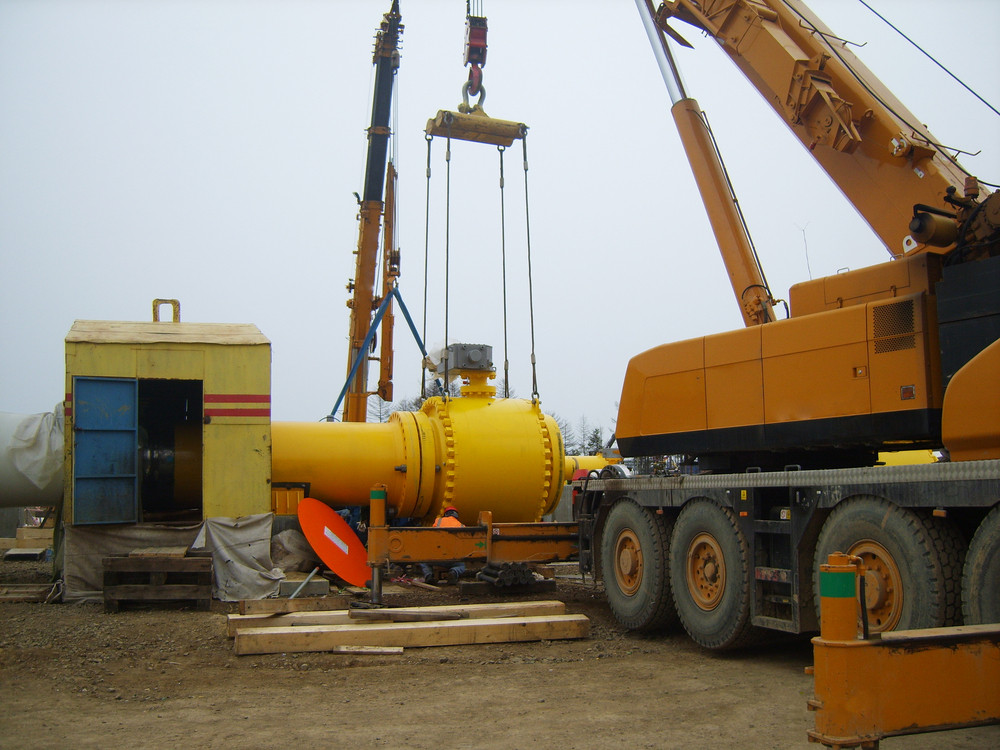
In the world of rigging and heavy lifting, understanding load distribution is integral to performing safe and effective operations. Rigging involves the use of various elements to hoist loads of all sizes, meaning the weight distribution across all involved components must be precisely calculated and balanced. A lack of understanding in this area not only risks damage to equipment but also poses a significant threat to personnel safety.
Understanding Load Distribution
Load distribution refers to how weight is spread across each part of your rigging equipment rental. When the load is unevenly distributed, it can result in a catastrophic failure of equipment or a topple if the system exceeds its capacity. To mitigate such risks, riggers must consider various factors, including the type of material, the angle of the lift, and the load’s center of gravity.
Understanding Your Rental
Equipment such as cranes and ropes all play a vital role in the rigging process, each requiring specific calculations to ensure they can support the load. According to Archive Market Research, the lifting and rigging market encompasses a wide range of products, including hooks (estimated 40 million units annually) and clamps (estimated 30 million units annually). This must be checked for maximum weight capacity, assuring that it is used within its working load limits to avoid overstressing and breaking. Moreover, the types of knots used to secure the load can significantly impact how well the weight is distributed, necessitating advanced knowledge and skills among rigging professionals.
Being Prepared With Your Equipment
When using an advanced rigging equipment rental, there are techniques to also consider; external conditions such as weather and terrain, which can impact load distribution. Wind speeds or uneven ground surfaces may cause shifts that can alter the balance and security of the load being lifted. Using a rigging equipment rental must include allowances for such variables, ensuring that all potential risks are accounted for in advance. This level of foresight and preparation ultimately determines the success of rigging operations and prevents unforeseen accidents.
Understanding load distribution is the backbone of safe rigging practices. Through the correct application of principles and the use of the appropriate equipment, rigging professionals can ensure that each operation is executed safely and efficiently. For more information, contact Versabar.